
Description
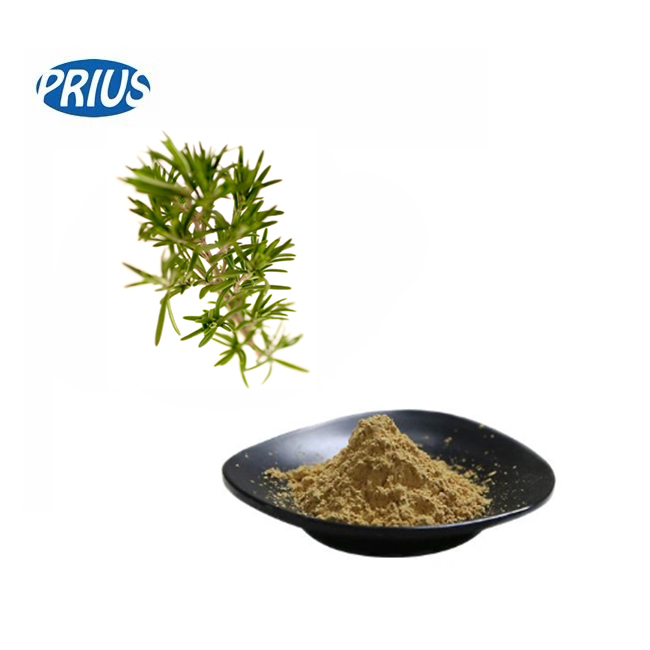
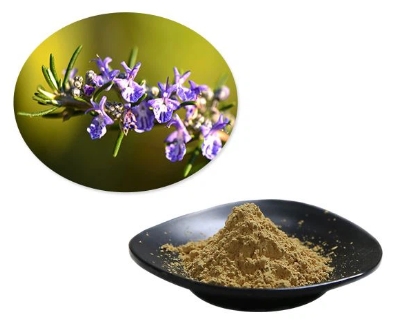
Rosemary Extract
Rosmarinic acid
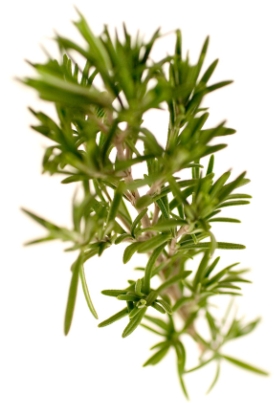
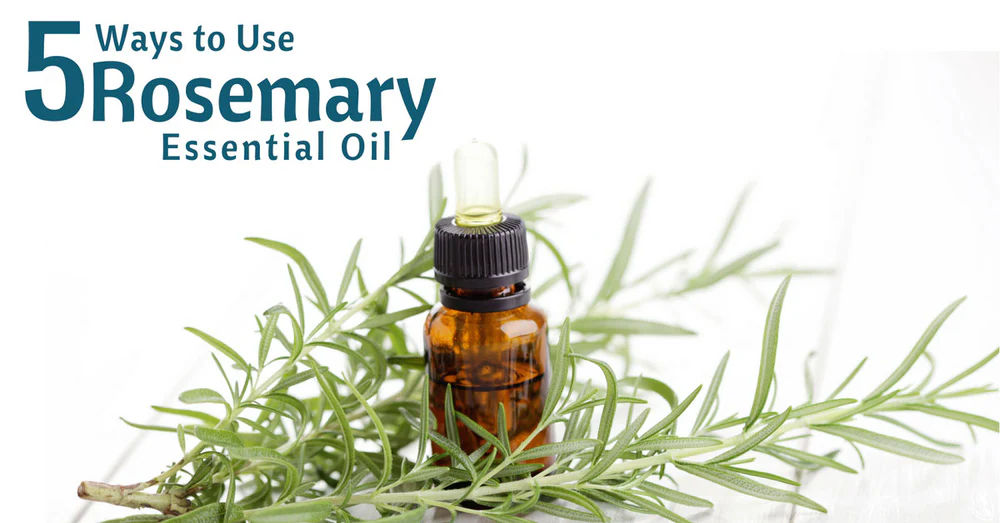
Rosemary is a natural spice plant, native to Europe and the Mediterranean coast of North Africa. It is mainly cultivated as an economic crop in southern Europe and is one of the earliest plants used for medicine.
Rosmarinic acid is a naturally occurring phenylpropanoid compound with a unique herbal aroma, fresh fragrance, and a refreshing effect. It was first discovered in rosemary and is commonly found in Prunella vulgaris and Perilla frutescens. It can also be artificially synthesized.
Rosemary extract can be prepared using processes such as ethanol extraction, methanol extraction, and carbon dioxide extraction. Structurally speaking, rosmarinic acid is an ester formed by the condensation of one molecule of caffeic acid and one molecule of danshensu.
Rosmarinic acid can prevent and treat Alzheimer’s disease caused by neurodegeneration.
A clinical study in 2020 found that taking 500mg of rosmarinic acid daily may help prevent the deterioration of Alzheimer’s disease in the elderly.
Application:
Rosmarinic acid is widely used in food in addition to traditional herbs.
It can be used as a seasoning and food preservative, and the United States and Japan were the first countries to study rosemary. In Japan, the 95% acetic acid extract of rosemary is used as a food additive to prevent oxidation and spoilage.
Added to cosmetics as antioxidants and antibacterial agents. In addition, rosmarinic acid related products are often made into herbal shampoos, skincare creams, etc., used to improve scalp problems such as dandruff and control oil secretion.
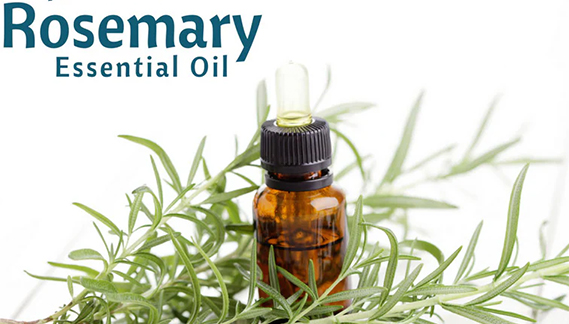
It is widely used in daily chemical products, perfume, soap, rosemary acid essential oil, air freshener, insect repellent, etc.
Rosmarinic acid shows great potential in the health and pharmaceutical industries.
anti-allergy
An article published in the journal “Biological Factors” states that rosmarinic acid can help alleviate the overall condition of allergy symptoms and improve symptoms such as itchy nose, teary eyes, and itchy eyes.
The combined action of rosmarinic acid and flavonoids can significantly improve nasal discomfort symptoms caused by pollen and dust.
It also has antibacterial and anti-inflammatory properties. Rosemary is very beneficial to the respiratory system, for example, it has a relieving effect on respiratory symptoms such as colds and bronchitis. It can also inhibit the growth of some bacteria and viruses, and has a certain bactericidal and antiviral effect.
antioxidant
1. The antioxidant components extracted from rosemary include rosmarinic acid, rosmarinol, flavonoids, salvianolic acid, and oxalic acid.
In addition, rosemary also contains phenolic substances, which exhibit overall antioxidant activity. Research has shown that the antioxidant substances rich in rosmarinic acid can effectively eliminate free radicals in the body, slow down cell aging, and protect the body from oxidative stress damage. This not only helps improve skin quality, but also provides some assistance in the treatment of skin diseases, oral ulcers, and other illnesses.
Due to the relatively stable phenolic oxygen radicals generated, they react slowly with lipids, thereby blocking the transmission and growth of free radical chains and inhibiting the oxidation process.
Reviews
There are no reviews yet.