

Active Pharmaceutical Ingredients
& Free Shipping
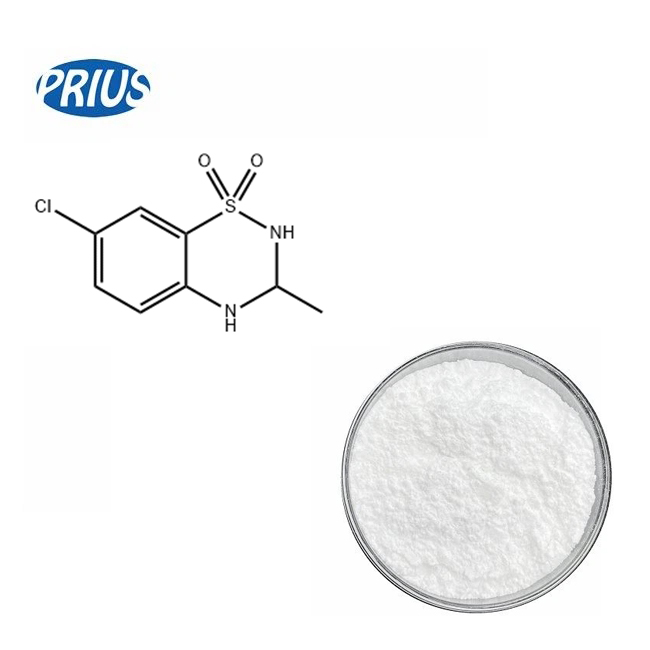
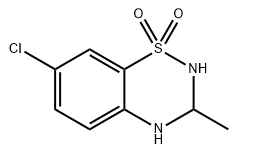
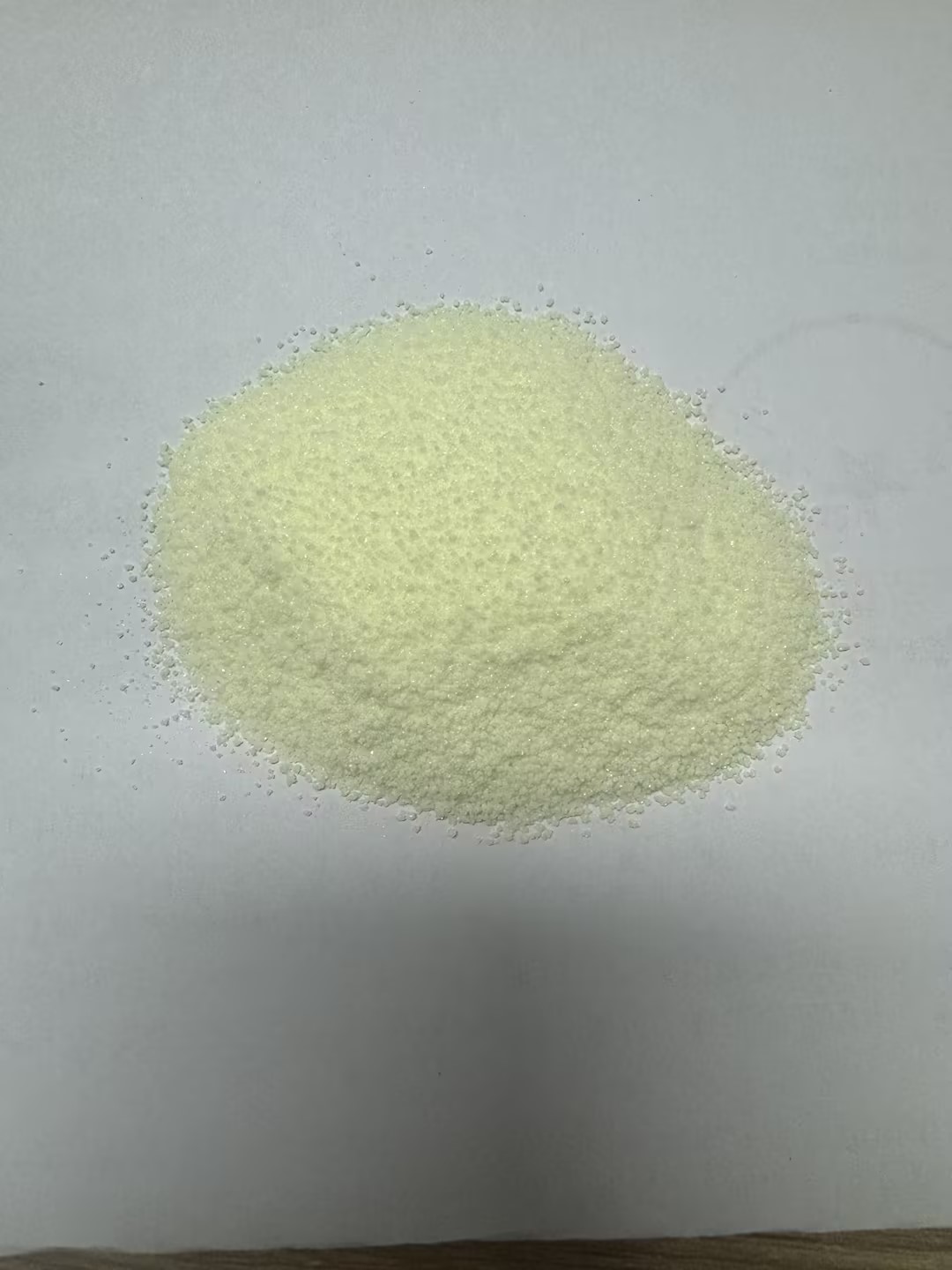
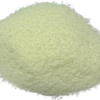
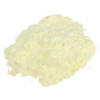
IDRA21
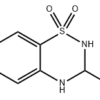
7-Chloro-3-methyl-3,4-dihydro-2H-1,2,4-benzothiadiazine S,S-dioxide
CAS: 22503-72-6
Molecular formula: C8H9ClN2O2S
Molecular weight: 232.69
Custom Service Available
IDRA-21 is an ampakine substance and an experimental product. It is a drug that can positively regulate AMPA receptors. IDRA 21 is expected to be used in the development of drug components for the treatment of cognitive/memory disorders, including age-related diseases.
IDRA-21 has a cognitive enhancing effect. For example, improving memory and learning abilities. It enhances neural transmission by increasing the activity of AMPA receptors, which are involved in learning and memory functions.
Compared with Ampagliflozin, IDRA-21 is more effective, mainly reflected in its long half-life and more persistent activity.
Research stage: IDRA-21 has not yet been approved for medical use.
IDRA-21 is an investigational puzzle drug called Ampagliflozin, which enhances AMPA receptor activity and has shown potential for cognitive enhancement in animal studies. However, it has not yet been approved and has not been fully studied in humans.
Description
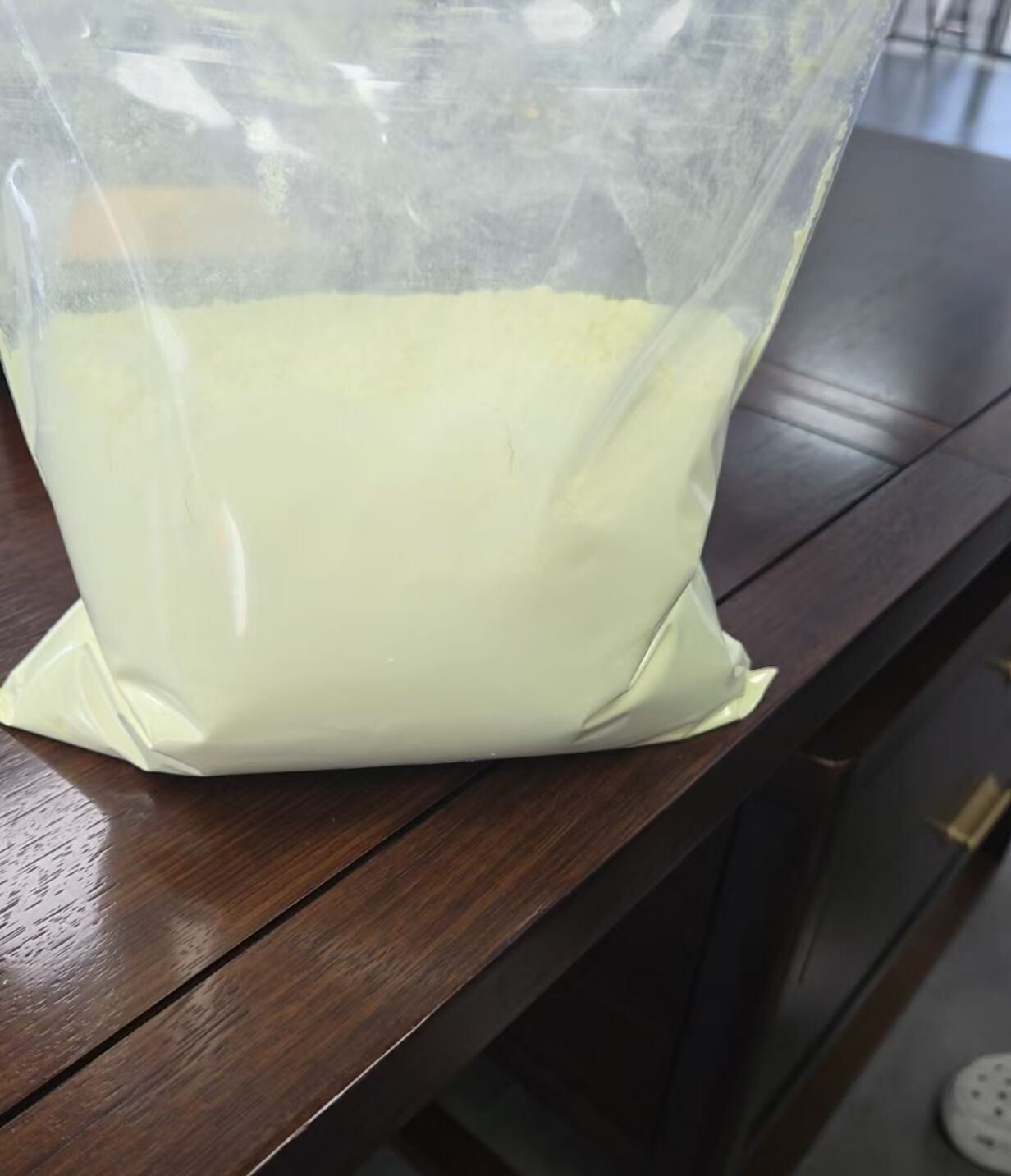
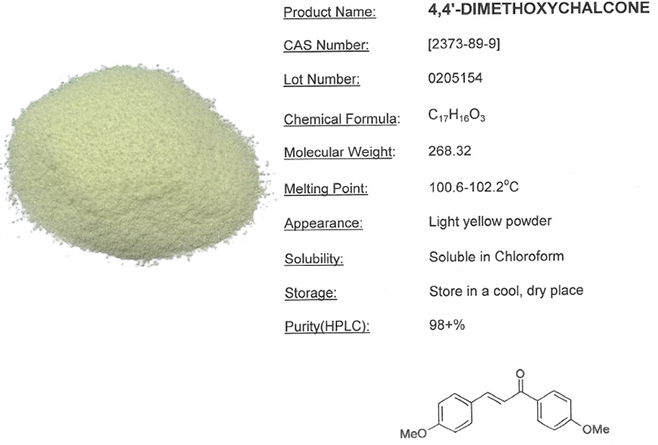
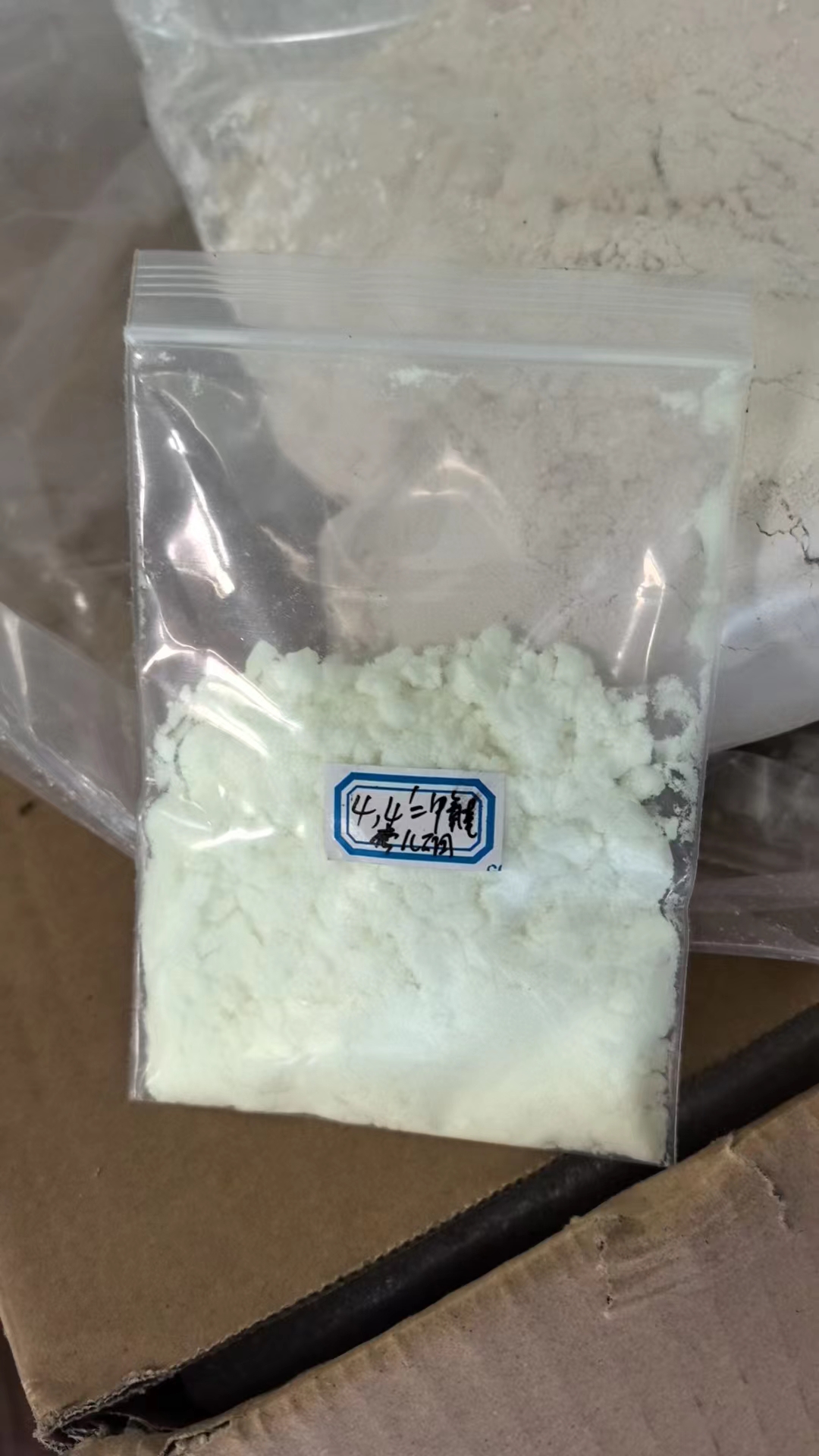
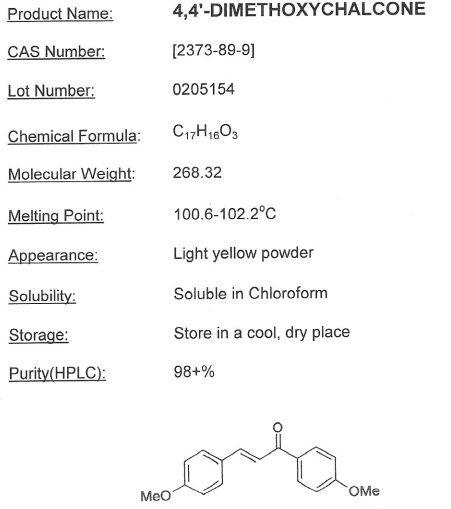
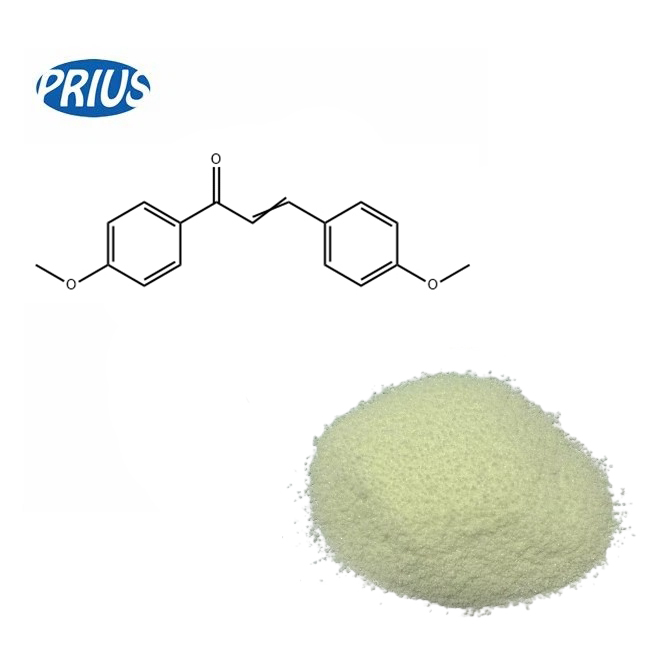
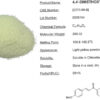
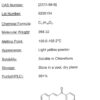
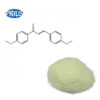
4,4 ‘- Dimethoxychalcone is a chalcone compound with multiple biological activities and a natural phenolic compound. It is a precursor for the biosynthesis of flavonoids and isoflavone compounds.
4 4 dimethylchalcone can be synthesized in the laboratory. It also exists in Angelica seeds or other plants.
This substance has wide application value in pharmaceuticals and medical research.
It has potential therapeutic effects in treating inflammation related diseases and microbial infections.
The main characteristics of 4,4 ‘- dimethoxychalcone are:
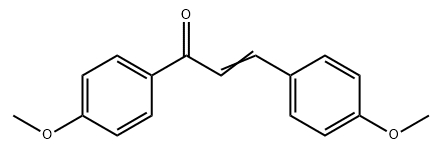
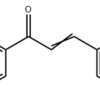
Chemical structure:
4,4 ‘- dimethoxychalcone has a chalcone basic structure, with the methoxy group (- OCH ∝) attached to the fourth position of two aromatic rings.
This structure is composed of two aromatic rings connected by a three carbon alpha, beta unsaturated carbonyl system (a typical feature of chalcones).
Biological activity:
Antioxidant: 4,4 ‘- dimethoxychalcone can act as a free radical scavenger to reduce oxidative stress.
Anti inflammatory: It has been proven to inhibit the production of pro-inflammatory mediators and has potential therapeutic effects on inflammation.
Anti cancer: Studies have shown that it may have cytotoxic effects on certain cancer cell lines, inducing cell apoptosis and inhibiting cell proliferation.
Antibacterial: It may possess antibacterial and antifungal properties, making it a candidate drug for treating infections.
Anti diabetes: Research shows the potential benefits of regulating blood sugar levels.
4,4 ‘- dimethoxychalcone has various biological activities and has wide application value in pharmaceutical and medical research.
Study its potential therapeutic applications in the treatment of cancer, inflammation related diseases, and microbial infections.
Synthetic and natural sources:
4,4 ‘- dimethoxychalcone can be synthesized in the laboratory.
It may also exist as a natural product in Angelica seeds or other plants.
Introduction:
4,4 ‘- dimethoxychalcone is a biologically active compound with significant potential in biomedical research. Its various activities, including antioxidant, anti-inflammatory, anticancer, and antibacterial properties, make it a promising candidate for developing new therapeutic drugs. However, further research is needed to fully understand its mechanism of action and translate these findings into clinical applications.
Reviews
There are no reviews yet.